

What Is a Tooth Extraction?
At Hutchinson Family Dental, extractions are never the first choice. When removal is recommended, it’s because keeping the tooth would likely lead to ongoing pain, infection, or damage to surrounding teeth and bone.

Evaluation and Preparation
Before treatment, we review imaging, your health history, and comfort options. You’ll know what type of extraction is planned and what recovery typically looks like.
During the Procedure
Local anesthesia is used to keep you comfortable. You may feel pressure, but pain is controlled. We check your comfort throughout the procedure.


Aftercare and Healing
You’ll receive clear instructions for healing at home. Most patients experience mild discomfort that improves quickly and return to normal routines within a few days.
When Removal Is the Healthiest Option
Dr. Morrill may recommend extraction when:
- A tooth is too damaged to be restored
- Infection threatens the surrounding bone or teeth
- Gum disease has weakened the tooth’s support
- Wisdom teeth are impacted or causing crowding
- Removing a tooth supports long-term bite or orthodontic health
You’ll always receive a clear explanation of why extraction is being considered and what could happen if the tooth is left untreated.

Why Wisdom Teeth Often Cause Problems
Most modern jaws simply don't have enough room for wisdom teeth to emerge properly. When Dr. Morrill recommends wisdom tooth removal, it's usually because:
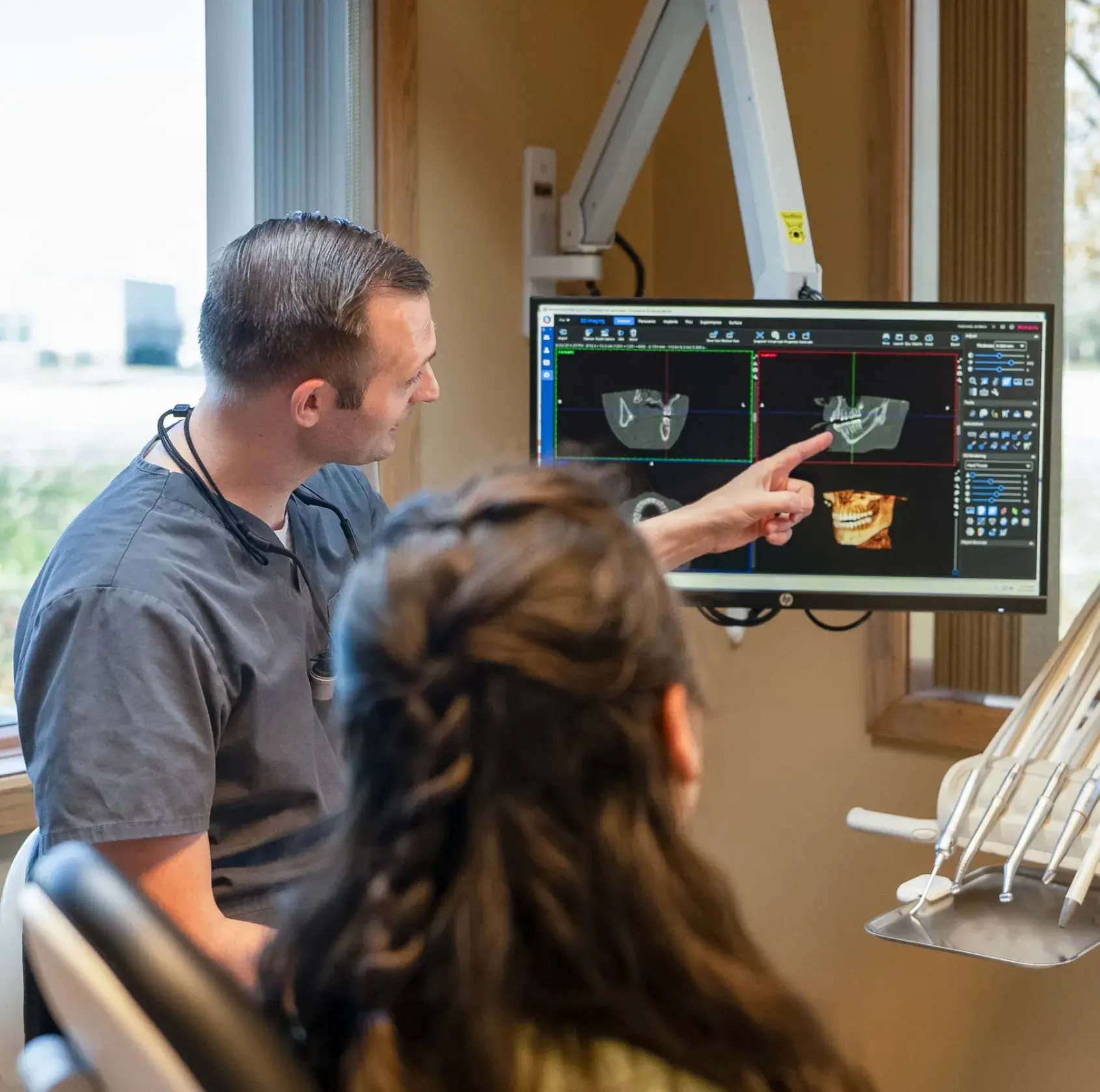
Wisdom teeth usually emerge in the late teens or early twenties. Many jaws simply don’t have enough room to accommodate them, which can lead to:
- Teeth becoming trapped under the gums
- Repeated infection or swelling
- Pressure on neighboring teeth
- Difficulty cleaning the area
- Cysts forming around the tooth
Not all wisdom teeth require removal. Dr. Morrill evaluates their position, development, and risk factors before making any recommendations.
Types of Extractions We Perform
Simple Extractions
For teeth that are visible and accessible, Dr. Morrill performs straightforward extractions with minimal discomfort and quick recovery. These typically take 20-40 minutes, and most patients return to normal activities within a day or two.
Surgical Extractions
When teeth are impacted, broken below the gum line, or have complex root structures, Dr. Morrill uses specialized techniques and our advanced imaging for safe, precise removal. While these procedures take longer (45-60 minutes), our careful approach minimizes discomfort and promotes faster healing.
Wisdom Tooth Removal
Dr. Morrill has extensive experience with wisdom tooth extractions, from simple erupted teeth to complex impacted cases. Using CBCT imaging, he can see exactly where nerves and other structures are located, ensuring safe, predictable removal. Most patients are surprised by how comfortable the process is.
Why Hutchinson Family Dental?

Getting to Know You

Local Care

Honesty & Transparency

Judgment-Free Care
Frequently Asked Questions
Can you extract multiple teeth at once?
Depending on your situation and comfort level, we can often perform multiple extractions in one appointment. We'll discuss the best approach for your specific needs.
What if I change my mind about the extraction?
Dr. Morrill will honestly discuss your options, including the consequences of waiting. The final decision is always yours, but you'll have all the facts to make an informed choice.
When can I brush my teeth again?
We'll give you specific oral hygiene instructions, but generally you can gently brush other areas immediately while avoiding the extraction site for the first day.
How much will my extraction cost?
We provide written estimates before treatment and work with most insurance plans. We also offer Sunbit financing to make treatment affordable for your budget.
What if I'm too nervous for the procedure?
We understand dental anxiety and offer laughing gas to help you relax. Dr. Morrill's gentle approach and clear communication also help nervous patients feel more comfortable.
Can I eat before my extraction?
For simple extractions with local anesthesia, eating beforehand is fine. If you're having sedation, we'll provide specific pre-procedure instructions.